Back to Insights








Insights: Cycles
Discover industry insights, macro trends, and valuable strategies designed to guide your financial journey. Subscribe to get the latest insights delivered straight to your inbox.
Recent posts
Adem Tumerkan • Oct 6, 2026
What Causes Inflation? Demand-Pull, Cost-Push & Monetary Explained
Inflation comes from three forces. See how demand-pull, cost-push, and monetary inflation combine to move prices during any market cycle.
InflationMarketsCycles
Adem Tumerkan • Sep 15, 2026
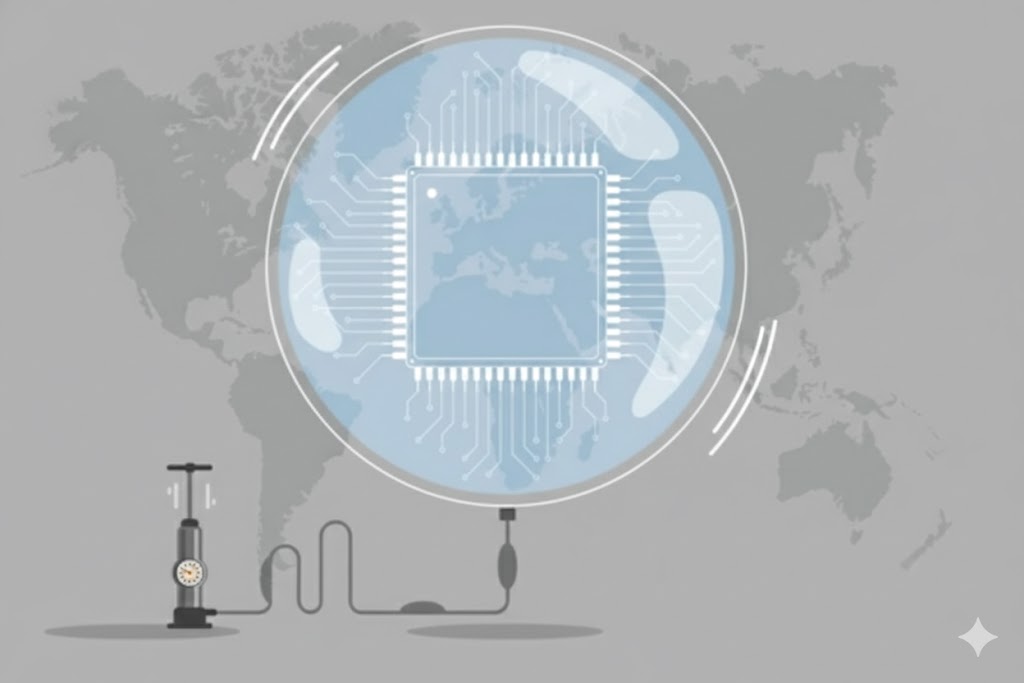
Is the AI Bubble About to Burst? Debt, Hype, and Overcapacity
Exploring whether the AI boom has become a bubble, as debt-fueled spending, hype cycles, and overcapacity raise risks for investors and broader markets.
Debt & CreditAIMarketsCycles
Adem Tumerkan • Oct 5, 2026
OPEC’s Prisoner’s Dilemma and Why Oil Prices Keep Falling
OPEC+ is struggling to support oil prices as members face a prisoner’s dilemma. Here’s why production cuts keep failing, why cheating pays, and why Saudi Arabia may eventually choose market share over price defense.
CommoditiesMarketsCycles
All Posts
Adem Tumerkan • Sep 8, 2026
The Natural Rate of Interest Explained: What It Is and Why It Matters
Learn what the natural rate of interest is, how it shapes monetary policy, and why falling natural rates make recessions and policy mistakes more likely.
MacroMorning PourLiquidity
Adem Tumerkan • Oct 7, 2026
What Is a Debt Cycle? How Credit Fuels Growth and Recessions
Learn how debt cycles work, why credit fuels economic growth, what causes deleveraging, and which warning signs investors should watch.
Morning PourDebt & Credit
Adem Tumerkan • Oct 8, 2026
Markets Don’t Trend Toward Equilibrium — They Trend Toward Instability
Why markets trend toward instability instead of equilibrium. Explore Minsky’s Financial Instability Hypothesis and Soros’ Reflexivity to understand bubbles & crashes
Debt & CreditMarketsCycles
Adem Tumerkan • Oct 10, 2026
How Does Debt Fuel Financial Bubbles? Lessons from History
See how debt and easy credit fueled historic financial bubbles, from Tulipmania and the South Sea Bubble to mining speculation and Railway Mania.
Morning PourDebt & Credit
Adem Tumerkan • Sep 3, 2026
The Capital Cycle Explained: How Supply Drives Markets More Than Demand
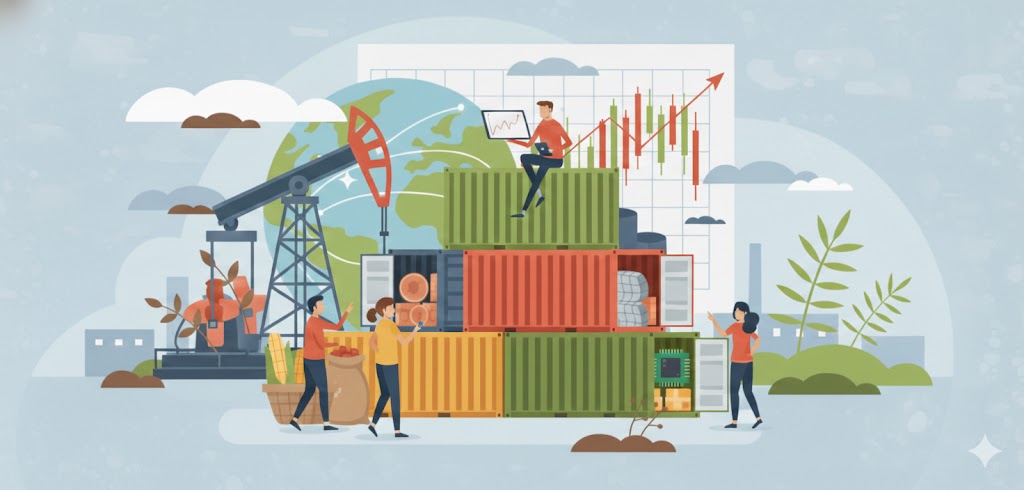
The capital cycle explains how supply and capital flows drive market booms and busts. Learn why supply matters more than demand for investors and what to look for next.
MacroCommoditiesMarketsCycles
Adem Tumerkan • Oct 13, 2026
The U.S. Demographic Problem: Falling Birth Rates and an Aging Economy
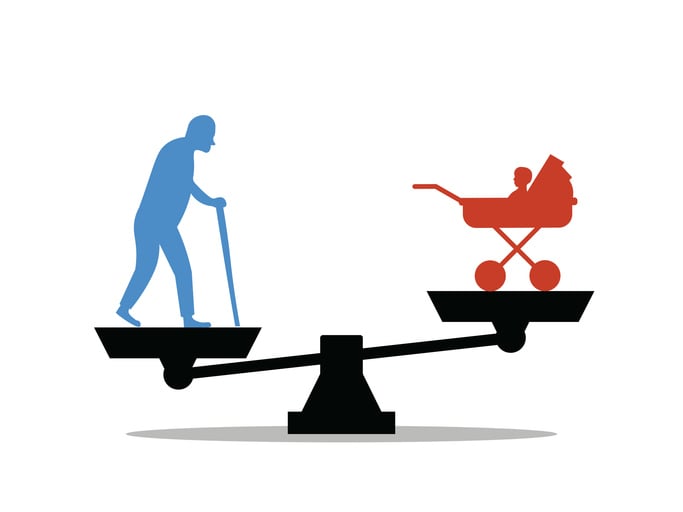
U.S. birth rates remain below replacement as the population ages. Here’s how falling fertility could affect workers, growth, Social Security, Medicare, and immigration.
MacroCyclesDemographics
Adem Tumerkan • Feb 21, 2026
Trade Wars Explained: Tariffs, Currency Wars, and Global Impact
Trade wars explained: how tariffs, retaliation, and currency wars interact with global imbalances, inflation, & financial stability across the global economy
MacroTrade WarCycles
Adem Tumerkan • Feb 12, 2026
U.S. Manufacturing Booms, China’s Debt Hits 300% of GDP, & Inflation Is Cooling
U.S. manufacturing shows signs of a rebound, China’s debt climbs past 300% of GDP, and real-time data suggest inflation may be cooling faster than headlines imply.
MacroChinaInflationDeep Dive
Adem Tumerkan • Oct 23, 2026
Copper Supply Deficit: Why New Mines Could Take Decades to Catch Up
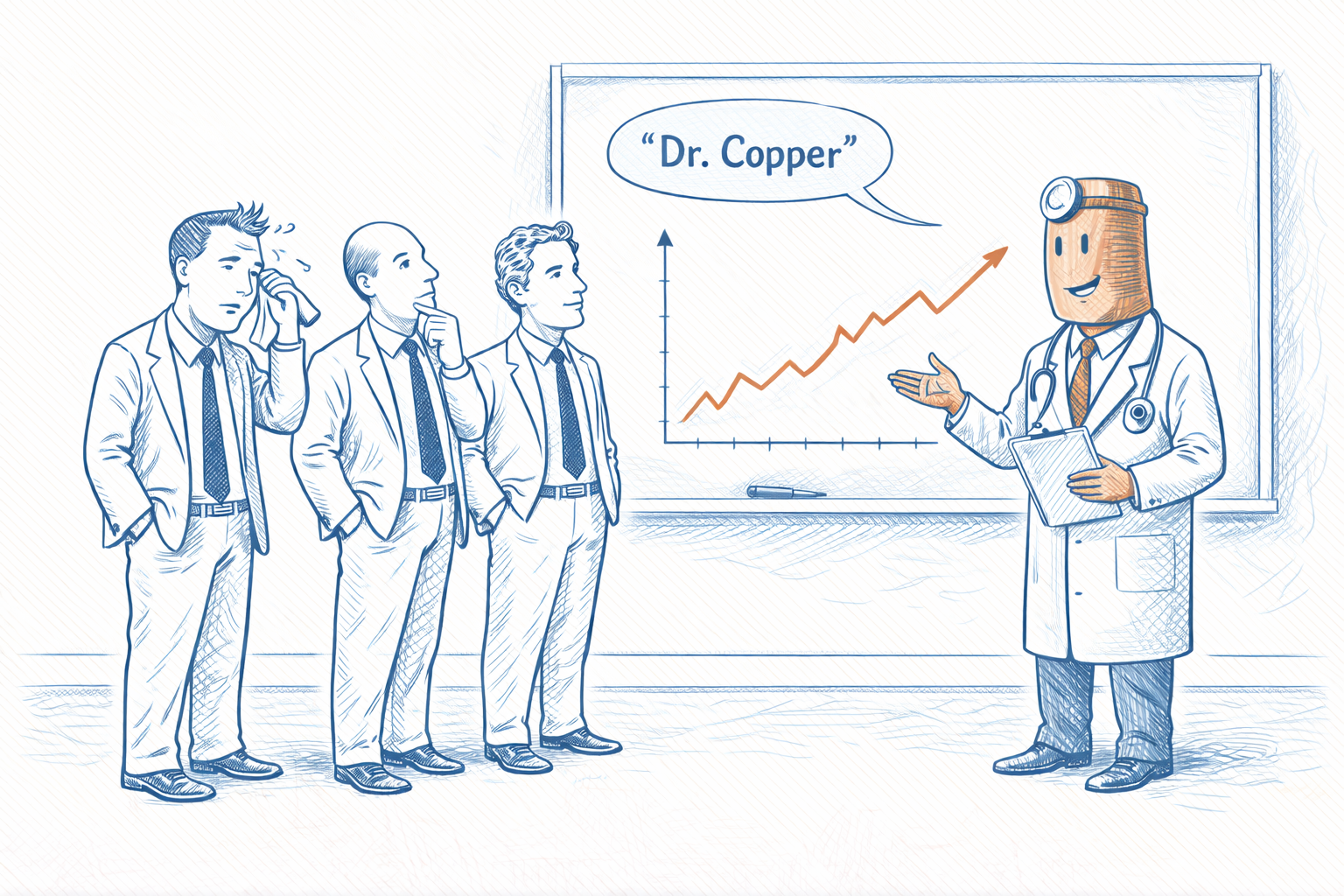
Copper prices are up 100% since COVID — but not because the economy is booming. A structural supply deficit and 25-year mine lag explain why the shortage could last until 2040
CommoditiesMarketsCycles
Adem Tumerkan • May 29, 2026
High-Paying Jobs Are Getting Cut, Markets Are Chasing Hope, and Defense Orders Are Near Records
High-paying jobs are getting cut, markets are chasing hope, and U.S. defense orders are near records as AI layoffs and war spending reshape growth.
Deep DiveAIMarketsCycles