Content Editor, Dunham | 2025 ThinkAdvisor Luminaries Award Winner | 2026 Wealthies Finalist, Thought Leader of the Year | Macroeconomics, markets, geopolitics & global trends
The dollar smile theory explains why the U.S. dollar can strengthen during both global crises and U.S. economic booms, while weakening during calmer periods of global growth. When fear rises, investors rush into dollars for safety, creating ripple effects across currencies, debt markets, energy prices, and international portfolios.
Key Takeaways
The dollar smile theory helps explain why the U.S. dollar strengthens in both global crises and U.S. economic booms — and only weakens in the calm middle.
The Iran war in 2026 put the dollar smile theory to its biggest real-world test in years. The dollar passed. De-dollarization didn't.
A stronger dollar triggers a global dollar shortage — countries and companies that borrowed in USD suddenly need more of their weakening local currency to service the same debt.
Not all energy exporters benefit equally. Revenues in dollars, low dollar debt, and a stable currency all matter.
The dollar smile is embedded in every internationally diversified portfolio. A European stock flat in euros is still down 5–8% for a U.S. investor if the euro weakens by the same amount. Currency isn't separate from returns.
Listen to this blog here
13:06
The de-dollarization crowd had a rough month.
On February 28, U.S. and Israeli forces struck Iran. And within days, the dollar was staging its biggest two-day rally in nearly a year - even as stocks plunged, gold tumbled, and Treasuries sold off.
All this after a year of headlines declaring the dollar's era was over. The dollar index had fallen 9.3% since January 2, 2025. And the reserve currency was dying.
Then fear hit. And every asset that was supposed to replace the dollar as the world's safe haven blinked.
The dollar didn't. It actually surged.
Figure 1: St. Louis Federal Reserve, Dunham, March 2026
energy, heavy corporate dollar debt, and a central bank with limited credibility means Turkey gets smacked hard by a strong dollar. Sure, the export tailwind from a weaker lira helps the blossoming manufacturing economy - but not enough to offset the energy and debt squeeze ().
This is the dollar smile theory playing out in real time.
Most people have never heard of it.
They will now.
What Is the Dollar Smile Theory?
The dollar smile theory2 was developed by Stephen Jen - a former Morgan Stanley and IMF economist. And it describes three distinct phases of the dollar, and when plotted on a chart, they form a Cheshire cat smile.
Phase
Economic Conditions
Typical Dollar Direction
Main Driver
Left: Global stress
Recession fears or heightened risk aversion
Strengthens
Investors seek dollar liquidity and safe-haven assets.
Middle: Global expansion
Growth outside the U.S. becomes more attractive, and U.S. outperformance fades
Weakens
Investors move toward opportunities outside the U.S.
*these are tendencies. The dollar’s response also depends on the source of the shock, interest-rate expectations, and investor positioning.
Here's how the three phases break down:
Left side of the smile = crisis. The world panics. Investors sell everything risky and run to dollars. Think of the 2008 financial crisis, COVID-19, and now the Iran war in 2026. The dollar surges even if the U.S. economy isn't doing great (aka investors panic and buy dollars for safety).
Bottom of the smile = calm. The U.S. economy is sputtering through - growing, but not outpacing the rest of the world anymore. Investors feel confident enough to chase better returns elsewhere. Capital flows out into foreign markets. The dollar drifts lower. Relative performance is everything here. A U.S. economy growing at 2.5% while the rest of the world grows at 4% is dollar bearish - even if nothing is technically wrong at home.
Right side of the smile = U.S. boom. The U.S. economy outperforms the rest of the world. Foreign capital floods in to capture American growth. Or the economy is overheating from booming and the Fed raises rates, pulling money in. Thus, the dollar strengthens again.
Figure 2: Dunham, 2026
Put simply, the dollar goes up in a global crisis. The dollar goes up in a U.S. boom. And it usually only weakens in the calm middle.
Fear on the left. Strength on the right. And weakness somewhere in between.
This whole dynamic rests on the dollar's position as the world’s “safe” haven status - one that has held firm even as the U.S. economy's share of global GDP has steadily shrunk for two decades.
The Iran war just put us hard on the left side of that smile.
And ironically, this dollar strength will cause significant stress to foreign economies.
The U.S. had just blown up the Bretton Woods currency system – breaking from gold - after years of running hot to finance both the Vietnam War and Great Society spending at home (aka “guns and butter”).
Since every major currency was pegged to the dollar, American inflation had exported itself across the globe.
The ministers demanded answers.
But Connally's response was ice cold:
"It's our currency, but your problem."
Well, almost fifty-five years later - nothing has changed.
A surging dollar is still the world’s problem.
Due to the war with Iran, oil has surged as energy infrastructure is clobbered and the Strait of Hormuz (which ~25% of daily global energy passes) is shut down.
Because of this supply shock, oil and natural gas prices have spiked – which caused a flurry into dollars.
The problem? Oil is priced in dollars, and most global debt and trade is financed in dollars, and a vast stock of offshore liabilities and carry trades are denominated in dollars.
So, when the dollar moves, the entire world feels it - whether they wanted it or not.
This is the global dollar shortage playing out in real time.
Here's the chain reaction:
A crisis hits – like the war in the Middle East.
Investors sell overseas stocks and bonds and move into dollars.
That demand pushes the dollar higher.
Countries and companies (specifically emerging markets) that borrowed in dollars now need more of their local currency to buy the same dollar – aka their debt just got more expensive overnight.
Global import costs rise. Inflation spikes as foreign currencies depreciate. And central banks scramble (do they hike into an oil shock? Or do they let inflation run?).
So, yes. It’s our dollar. And still the world’s problem.
That said, a dollar shortage doesn't eliminate alternatives. It only speeds up their potential adoption.
See, when dollars are scarce and painful, trade partners look for workarounds.
China has been expanding yuan-denominated bilateral trade agreements.
The euro now settles a meaningful share of intra-European energy contracts.
India has been pushing rupee trade with Russia.
None of these replace the dollar - not even close (yet). But a prolonged dollar squeeze does accelerate the search for alternatives at the margins - chipping away at the dollar system.
Think of it this way. A cheaper dollar makes a Ford cheaper in Tokyo and a Toyota more expensive in Ohio - that's the trade-off Washington is weighing.
Thus, if Washington genuinely chooses to rebalance the global monetary system away from dollar dominance, the smile could flatten. A deliberately weaker dollar in this scenario is a political choice - but it runs directly against the structural gravity of every crisis that keeps pulling capital back in.
So far, the market hasn't believed it. But that could change.
Why Does Dollar Strength Hurt Other Economies More Than the U.S.?
The Iran conflict didn't just hurt the Middle East. The dollar smile is indiscriminate - and its effects ripple across every economy on earth.
But like all things in economics, there are winners and losers. And the line between them isn't simply "do you export oil?" It's a bit more complicated than that.
Why? Because it comes down to three things: what you sell, what currency your debts are in, and whether your own currency is holding up.
The Losers
The clearest losers are net importers. They get squeezed from every direction at once.
As I mentioned above, energy prices spike in dollar terms. Thus, foreign currencies weaken. This means their import bills rise twice - a weaker currency to pay for more expensive energy. And if their central bank hikes rates to try and bolster the currency, they're tightening into an economy already reeling from an energy shock. There's really no good move.
Pakistan and Bangladesh — both face balance-of-payments risk if dollar reserves run dry. Neither has the export base to earn dollars fast enough to plug the gap.
Europe — Germany is an industrial export powerhouse, but it runs on imported energy. A weaker euro paired with a ~70% year-to-date rise in oil is brutal. You can't export your way out of an energy crisis when your inputs just doubled in cost.
The deeper issue here with a dollar smile is that the more dollar-denominated debt a country carries, the worse a dollar rally hits. It's not just imports that get expensive. Every debt payment does too.
The Gulf States - The Ironic Case:
Saudi Arabia, Qatar, UAE, Kuwait, even Iran - $100+ oil should be seeing a massive boon. But right now they're also the target. Iranian strikes have forced facility shutdowns, some with damage that could take years to repair.
Put simply, they're holding a winning lottery ticket in a burning building.
The Winners:
Winning from a dollar smile and an oil shock requires a specific combination.
A net energy exporter + revenues in dollars + manageable dollar debt + a currency that doesn't collapse faster than your export revenues rise. Not many countries check all four boxes. But some do.
The U.S. – It’s the world's largest energy producer with oil priced in its own currency and has deep capital markets to absorb inflows. The consumer definitely feels it at the pump - but energy revenues, trade balance gains, and safe-haven flows may offset it (also, a stronger dollar allows the U.S. to import things more cheaply).
Canada — ~4 million barrels a day exported, revenues in dollars, costs in Canadian dollars. When oil spikes and the Loonie holds steady, that margin expansion flows straight to producers (so far it has).
Brazil — Petrobras (Brazil’s crown jewel oil producer) books revenues in USD while costs stay in a weakening real. Add dollar-priced agricultural exports - soybeans, corn, sugar, beef, etc. - and a weaker real is a boon for exporters. But beware, Brazil carries significant dollar debt, so the private sector feels the pain even as producers win.
Norway — probably one of the clearest winners in the developed world. North Sea revenues in dollars, the world's largest sovereign wealth fund appreciating in krone terms. Low debt, strong institutions, and a big oil exporter.
Notethe irony - Russia is the country most aggressively pushing de-dollarization, yet it would benefit most from dollar-priced oil being high - if only it still had access to the global dollar system (it was kicked out of SWIFT after the Ukraine war started8) that it's trying to dismantle.
The Bottom Line
The dollar smile theory isn't complicated. It just runs counter to what most people expect.
The dollar is supposed to weaken when America is in trouble. But instead, it strengthens - because when the world is in trouble, everyone needs dollars to settle debts, buy energy, and park capital somewhere they trust.
That's not a new dynamic. That’s been the cause-and-effect of most reserve currencies in history.
And that's why Connally said what he said in 1971.
Just look at the numbers. The dollar index fell 9.3% from January 2, 2025 to its low on January 29, 2026. The financial media wrote the obituary. BRICS summits. Yuan oil contracts. Central bank buying gold. The whole de-dollarization playbook ran - and the dollar bled for thirteen months.
Then Iran.
Within days, the dollar staged its biggest two-day rally in nearly a year. The euro slid. The yen buckled. And emerging-market currencies - from India to Egypt - hit record lows, squeezed by dollar-denominated debt they can no longer service cheaply.
Meanwhile, the U.S. - the world's largest energy producer, pricing oil in its own currency - sits on the right side of every one of those moves (except for us consumers).
De-dollarization may eventually play out - over a generation, maybe two.
But every crisis resets the clock. Every reset proves the infrastructure to replace the dollar still doesn't exist at the scale the world needs when things go wrong.
And until that changes – it’s our dollar.
And still the world’s problem.
Frequently Asked Questions About The Dollar Smile Theory
What is the dollar smile theory in simple terms? The dollar smile theory says the U.S. dollar strengthens in two very different moments: when the world panics, and when the U.S. economy is beating everyone else. Investors buy dollars for safety during crises, then buy them again to chase American growth during a boom. The dollar mostly weakens in between, when global growth feels calm and steady.
Who came up with the dollar smile theory? Stephen Jen, a former IMF and Morgan Stanley economist, developed the dollar smile theory in the early 2000s. He now runs the hedge fund Eurizon SLJ Capital. His framework explains why the dollar rallies at both ends of the economic cycle, crisis and boom, while drifting lower during the calmer stretch in between.
Why did the dollar rally during the 2026 Iran war? Fear drove it. When U.S. and Israeli forces struck Iran, investors dumped stocks, gold, and bonds and rushed into dollars for safety. Oil prices spiked too, and since oil is priced in dollars, that alone increases global demand for them. Both forces hit at once, giving the dollar its biggest two-day rally in nearly a year.
What happens to countries that borrowed heavily in dollars? They get squeezed hardest. When the dollar strengthens, countries and companies with dollar debt need more of their own currency to make the same payment. Add in pricier energy imports, and countries like Egypt and Turkey face pressure from multiple directions: a weaker local currency, costlier imports, and more expensive debt, all at once.
Which countries benefit when the dollar and oil prices rise together? Countries that export energy, earn revenue in dollars, carry manageable dollar debt, and have a currency that holds steady tend to come out ahead. The U.S., Canada, and Norway fit that mix well. Brazil benefits on exports but carries enough dollar debt that consumers still feel a squeeze. Russia gains from higher oil, but sanctions limit how much it can capture.
This communication is general in nature and provided for educational and informational purposes only. It should not be considered or relied upon as legal, tax or investment advice or an investment recommendation, or as a substitute for legal or tax counsel. Any investment products or services named herein are for illustrative purposes only and should not be considered an offer to buy or sell, or an investment recommendation for, any specific security, strategy or investment product or service. Always consult a qualified professional or your own independent financial professional for personalized advice or investment recommendations tailored to your specific goals, individual situation, and risk tolerance. All examples are hypothetical and are for illustrative purposes only.
Information contained in the materials included is believed to be from reliable sources, but no representations or guarantees are made as to the accuracy or completeness of information. This document is provided for information purposes only and should not be considered as investment advice.
Dunham & Associates Investment Counsel, Inc. is a Registered Investment Adviser and Broker/Dealer. Member FINRA/SIPC. Advisory services and securities offered through Dunham & Associates Investment Counsel, Inc.
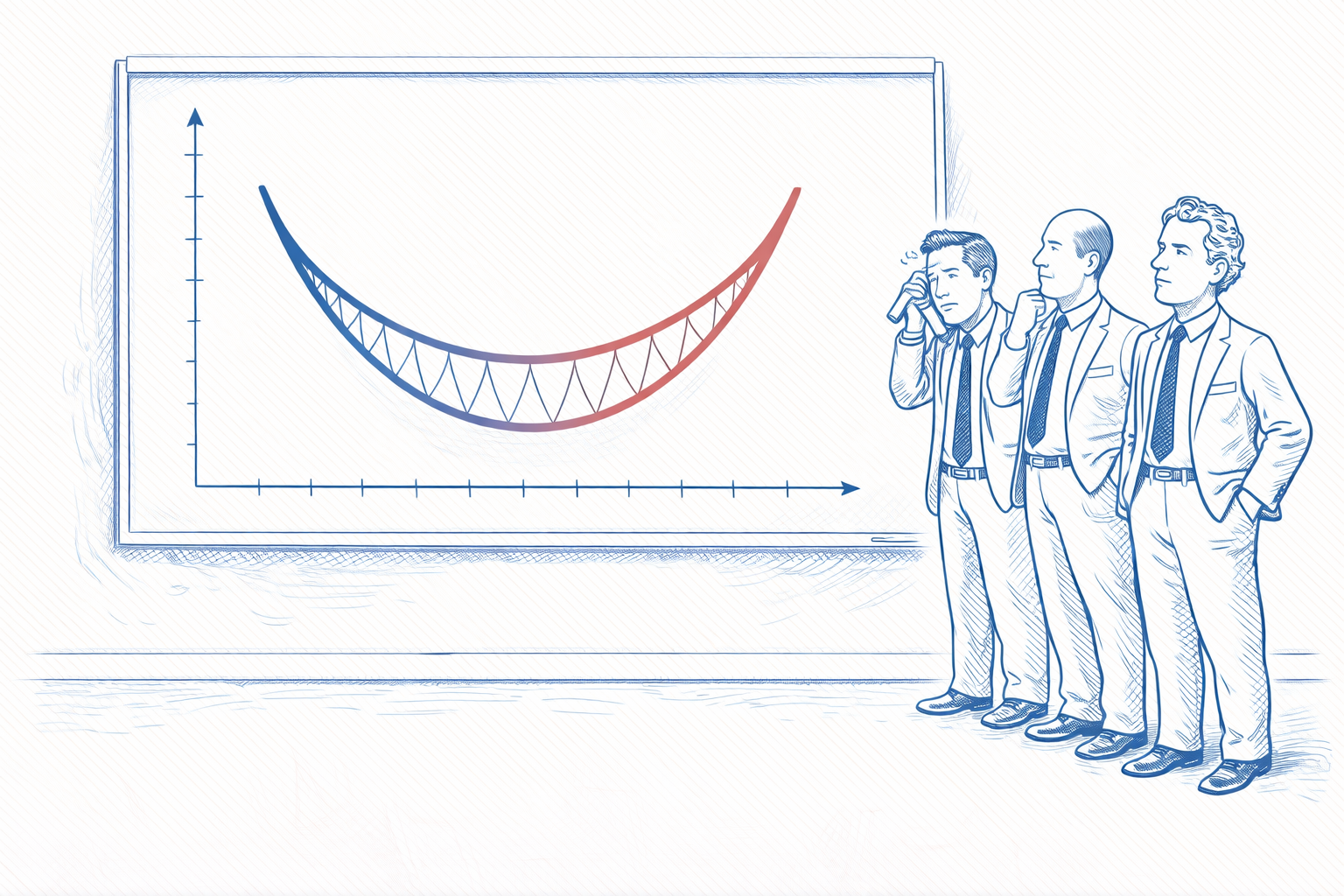
 Figure 1: St. Louis Federal Reserve, Dunham, March 2026