Content Editor, Dunham | 2025 ThinkAdvisor Luminaries Award Winner | 2026 Wealthies Finalist, Thought Leader of the Year | Macroeconomics, markets, geopolitics & global trends
Warren Buffett is widely considered the greatest investor of all time. Over 60 years leading Berkshire Hathaway, he built a framework rooted in value investing, emotional discipline, and long-term thinking — influenced by Benjamin Graham and Charlie Munger. This article breaks down his core principles, greatest investments, and the lessons they leave behind.
Key Takeaways
Warren Buffett built his legacy on key principles: margin of safety, emotional discipline, and long-term value investing.
Influenced by Benjamin Graham and Charlie Munger, Buffett evolved from “cigar-butt” investing to buying high-quality businesses at fair prices.
His contrarian mantra — “be greedy when others are fearful” — helped him profit during downturns and avoid market euphoria.
Buffett’s success is rooted in patience, rationality, and investing in businesses he understands — not chasing trends.
From American Express to Coca-Cola and Goldman Sachs, Buffett’s greatest wins came from decisive action during crises and sticking to strong brands.
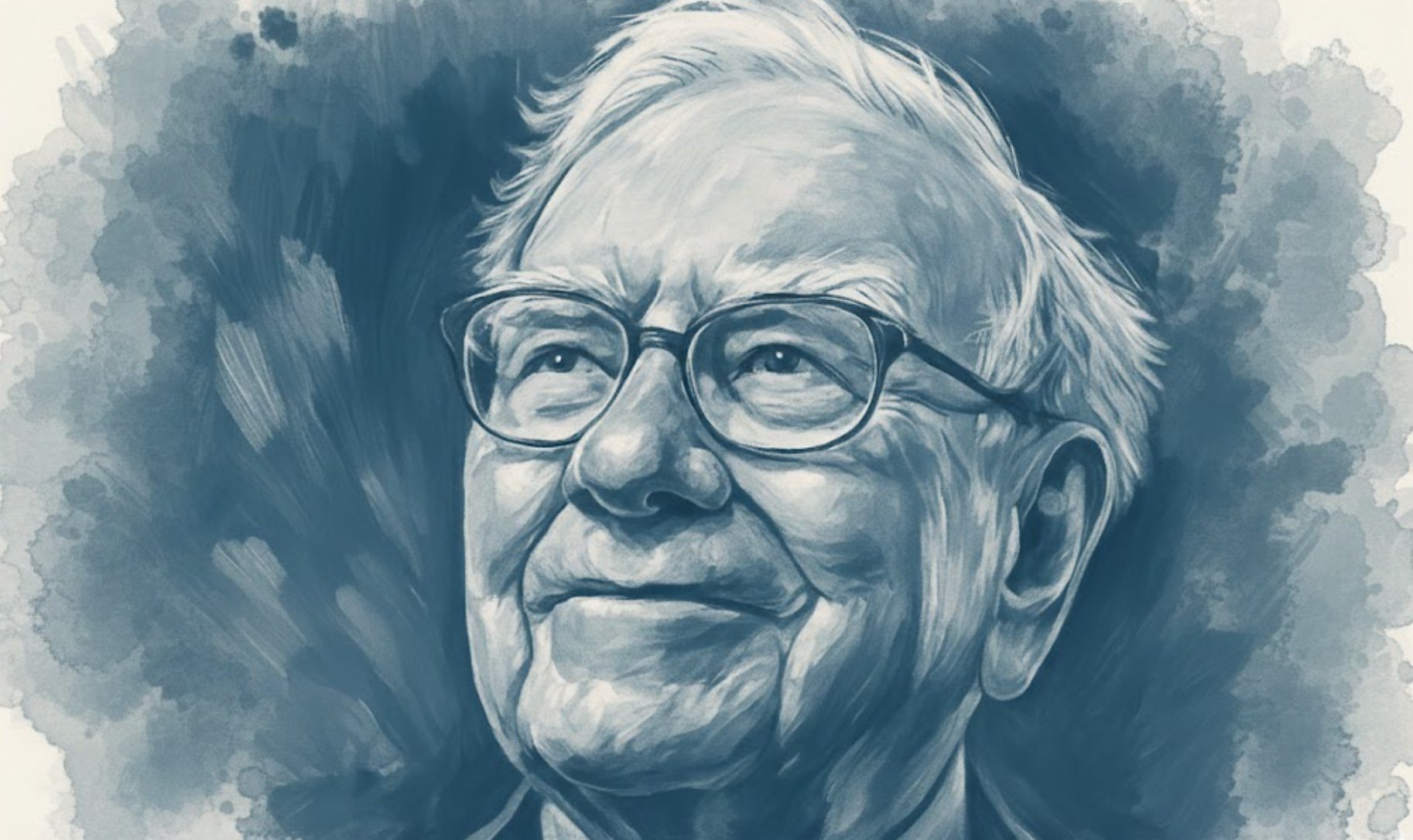
When you think of the greatest investor, one face comes to mind. A boyish grin. Chipmunk cheeks. Thick-rimmed glasses. Cola in one hand. And a Dairy Queen burger in the other.
I’m talking about Warren Buffett - the Oracle of Omaha. The man who turned a small failing textile mill into a trillion-dollar empire.
But Buffett’s rise wasn’t a straight line. It was a journey - bold moves, shrewd bets, and a relentless belief in finding value.
With that in mind, let’s look back at some of his greatest decisions, the lessons he learned, and the wisdom we can take from them.
How Benjamin Graham Shaped Buffett’s Investment Philosophy
Warren Buffett’s investing philosophy stands on a foundation laid by his mentor, Benjamin Graham.
And of everything Graham taught him, two key concepts stuck with Buffett the most:
Margin of Safety: An Investment Cushion
A margin of safety is the gap between an investment’s estimated intrinsic value and its market price. Benjamin Graham used the concept to describe a buffer against errors in analysis, unexpected business problems, or unfavorable market conditions.
Imagine buying a house worth $500,000 for just $350,000. That $150,000 difference is your margin of safety – a buffer against market downturns.
Buffett’s Example: In the 1970s, Buffett bought shares in the Washington Post when it was trading far below its intrinsic value. That discount was his Margin of Safety, and as the company grew, so did his investment – multiplying many times over.
Mr. Market: The Erratic Investor
Mr. Market is Benjamin Graham’s fictional character for the stock market’s changing moods. Introduced in The Intelligent Investor, Mr. Market offers to buy or sell investments each day at prices shaped by fear, greed, optimism, or pessimism. Graham’s lesson is that investors should view those changing prices as opportunities, not instructions to follow.
Picture having a business partner named Mr. Market, who offers to buy or sell your share of a business at wildly different prices every day. Some days, he’s euphoric and offers sky-high prices. Other days, he’s depressed and offers bargain prices. Your job? Ignore his mood swings and take advantage of his mistakes.
Buffett’s Example: During the 2008 financial crisis, Mr. Market was in full panic mode. Buffett saw that quality companies like Goldman Sachs were undervalued and made a lucrative investment, capitalizing on the fear.
These two concepts played powerful roles in Buffett’s success as an investor. And it’s this type of timeless wisdom we should never forget (even if the rest of the crowd does).
Now, let’s talk about the other major influence in Buffett’s life. . .
How Charlie Munger Changed Buffett’s Approach to Value Investing
You can’t talk about Warren Buffett without mentioning Charlie Munger. They met in 1959, introduced by a mutual friend. Little did they know that dinner would spark a partnership lasting over 60 years.
Buffett started as a “cigar-butt” investor – buying dying companies with a few puffs of value left. But Munger changed everything. He taught Buffett the value of quality – that it’s better to own a wonderful company at a fair price than a mediocre one at a bargain.
Munger also introduced Buffett to mental models – a network of principles from multiple disciplines (like psychology, physics, economics, and biology). This broadened Buffett’s thinking, making him a sharper investor and a wiser thinker.
This contrarian approach helped him profit from market downturns (such as 2008) while taking money off the table when markets got too greedy (such as during the dot-com bubble).
Buffett’s discipline in avoiding speculative bubbles, his focus on businesses he understands, and his insistence on buying companies with strong fundamentals have been central to his success.
Warren Buffett’s Greatest Investments and What They Teach Investors
Over these 60+ years of investing, Buffett has made some remarkable moves.
Here’s a list just touching on some and the key lessons we can learn from them. . .
1963 - Buys American Express During the Great Salad Oil Scandal: In the wake of the Salad Oil Scandal4 - which threatened American Express’s survival - Buffett invested heavily in the company, recognizing its enduring brand and customer loyalty. Key Lesson: Crisis creates opportunity - invest in companies with strong fundamentals even when they face temporary setbacks.
1964 - Acquires Berkshire Hathaway: What began as a struggling textile mill soon became the flagship of Buffett’s investment empire. Key Lesson: Don’t be afraid to pivot when an initial investment doesn’t go as planned. Buffett took the cash flow from a fading business and instead reinvested it into more efficient ones, profiting from the difference.
1967 - Enters the Insurance Business: Buffett acquires National Indemnity, gaining access to a steady stream of insurance "float”- aka capital that he could invest elsewhere. Key Lesson: Leverage cash flow (float) from a stable business to fuel long-term investments (he took the premiums the insurance firm received and invested them elsewhere for higher returns).
1973 - Buys Washington Post Shares: Buffett invests in the Washington Post, building a relationship with publisher Katharine Graham and becoming one of the company’s largest shareholders. Key Lesson: Invest in strong brands and trusted leadership.
1991 - Becomes Chairman of Salomon Brothers: After a bond scandal threatened Salomon Brothers (a major U.S. investment bank), Buffett stepped in as Chairman to restore credibility, leveraging Berkshire's significant ownership stake. His leadership included direct intervention with the U.S. Treasury to reverse a ban on Salomon bidding in government bond auctions - an action that saved the firm. Key Lesson: Reputation is more valuable than money.
1988 - Invests in Coca-Cola: Buffett acquires a major stake in Coca-Cola, a brand he personally loves, which becomes one of Berkshire Hathaway’s most successful investments. Key Lesson: Buffet is infamous for drinking multiple cans of Coke per day (some say up to 5). Thus, invest in businesses you understand and love.
2008 - Bails Out Goldman Sachs: During the 2008 financial crisis, Buffett invested $5 billion in Goldman Sachs, negotiating favorable terms that yielded massive profits. Key Lesson: In times of crisis, cash is king, and timing is everything.
Buffett’s Contradictions: Champion of Competition or Monopolies?
Buffett often praises competition, but his biggest wins come from near-monopolies:
Coca-Cola: A global brand with unmatched dominance.
American Express: A financial powerhouse with loyal customers.
Burlington Northern Santa Fe (BNSF): A railroad giant with little competition.
Buffett preaches capitalism but profits from businesses with “economic moats” – strong barriers against competition. Hypocritical? Maybe. Smart? Absolutely.
What Is an Economic Moat?
An economic moat is a durable competitive advantage that helps a business defend its profits and market position over time. Brand strength, network effects, switching costs, cost advantages, and regulatory barriers can each create an economic moat and give firms a signficant edge over its comnpetiton.
The Legacy of Warren Buffett
Warren Buffett’s life is a case study in patience, discipline, and relentless value-seeking. His principles of value investing, contrarian thinking, and emotional discipline have changed the world of finance.
But beyond the numbers, Buffett’s legacy is about wisdom. In a world obsessed with fast money and speculation, he is a reminder that staying rational is key.
He once said, “Someone is sitting in the shade today because someone planted a tree a long time ago.”
So don’t chase the shadows. Instead, be like Buffett and plant the trees.
Want to Learn More?
Connect with our Business Development Team via email or (858) 964-0500 for insights into our latest investment strategies.
And Want to Learn Even More About Warren Buffett?
If you want a deeper understanding of Warren Buffett's life, investing philosophy, and rise to becoming the Oracle of Omaha, I recommend the book "Buffett: The Making of an American Capitalist" by Roger Lowenstein.
Frequently Asked Questions About Warren Buffett's Investment Strategy
What is Warren Buffett's investment strategy? Warren Buffett's strategy centers on owning understandable, high-quality businesses for the long haul rather than trading in and out of stocks. He looks for intrinsic value, a margin of safety, durable competitive advantages, and strong management. The discipline piece matters just as much: staying calm when markets boom or crash, instead of reacting to the mood of the moment.
What are Warren Buffett's main investing principles? Buffett's core principles include sticking to his circle of competence, buying businesses with durable competitive advantages, demanding a margin of safety, and focusing on long-term value over short-term price swings. He stays disciplined when markets swing between fear and euphoria. Benjamin Graham shaped his early thinking, and Charlie Munger later pushed him to weigh business quality just as heavily as price.
What does Warren Buffett mean by "be fearful when others are greedy"? Buffett's phrase means investors should get cautious when widespread optimism pushes prices past what the business is actually worth. It also means fear in the market can create opportunities when solid businesses drop in price for reasons that have nothing to do with their long-term value. The core idea is judging value on your own terms instead of following the crowd or the headlines.
What is an economic moat in Warren Buffett's investing strategy? An economic moat is a lasting advantage that protects a company's ability to keep earning profits over time. Buffett looks for moats built from trusted brands, network effects, cost advantages, switching costs, or other barriers that make it hard for competitors to steal market share. The wider and more durable the moat, the longer a business can defend its profits.
This communication is general in nature and provided for educational and informational purposes only. It should not be considered or relied upon as legal, tax or investment advice or an investment recommendation, or as a substitute for legal or tax counsel. Any investment products or services named herein are for illustrative purposes only and should not be considered an offer to buy or sell, or an investment recommendation for, any specific security, strategy or investment product or service. Always consult a qualified professional or your own independent financial professional for personalized advice or investment recommendations tailored to your specific goals, individual situation, and risk tolerance. All examples are hypothetical and are for illustrative purposes only.
Information contained in the materials included is believed to be from reliable sources, but no representations or guarantees are made as to the accuracy or completeness of information. This document is provided for information purposes only and should not be considered as investment advice.
Dunham & Associates Investment Counsel, Inc. is a Registered Investment Adviser and Broker/Dealer. Member FINRA/SIPC. Advisory services and securities offered through Dunham & Associates Investment Counsel, Inc.